When Your 4/4 Pullout Sand Stuck: What Really Happens and How Recovery Works
Driving on soft sand in the UAE is a different kind of challenge. You can have all the right gear, the right tires, and still find yourself in a situation where the vehicle refuses to move. I have seen it plenty of times, especially with heavier 4x4s that sink deeper than you expect. The term "4/4 pullout sand stuck" might sound like technical shorthand, but it captures a very specific moment: a four-wheel-drive vehicle, fully engaged, yet completely immobilized by the sand. That is the moment when adrenaline kicks in and you realize that calling for help is the only sensible move.
The Mechanics of Getting Stuck in Sand
Understanding why a 4x4 gets stuck is the first step in appreciating what a recovery team does. Soft sand, especially the fine, dry kind common in the Dubai desert, offers almost no traction. The weight of the vehicle presses down, and the tires dig a hole for themselves. Even with four-wheel drive engaged, if you lose momentum or stop on a soft patch, the sand collapses under the tires. The vehicle settles, and the undercarriage can end up resting on the sand. That is when the phrase "4/4 pullout sand stuck carrecoverydubai" becomes more than just keywords. It describes a vehicle that is high-centered or deeply bogged, needing a pullout from a professional recovery service.
I have been on recoveries where the driver had done everything right. They had lowered tire pressure, engaged the differential lock, and taken a careful line. But a hidden dip or a patch of soft sand can defeat even the best technique. The key is that once the vehicle is stuck, the recovery process is not about driving out. It is about physics and leverage.
Why Self-Recovery Often Fails
Many drivers try to self-recover. They dig, they put boards under the tires, they try to rock the vehicle. Sometimes that works, but often it makes things worse. Digging can create a deeper hole. Using the wrong kind of tow strap can snap and cause injury. I have seen vehicles that were lightly stuck become deeply bogged after an hour of well-intentioned but ineffective effort.
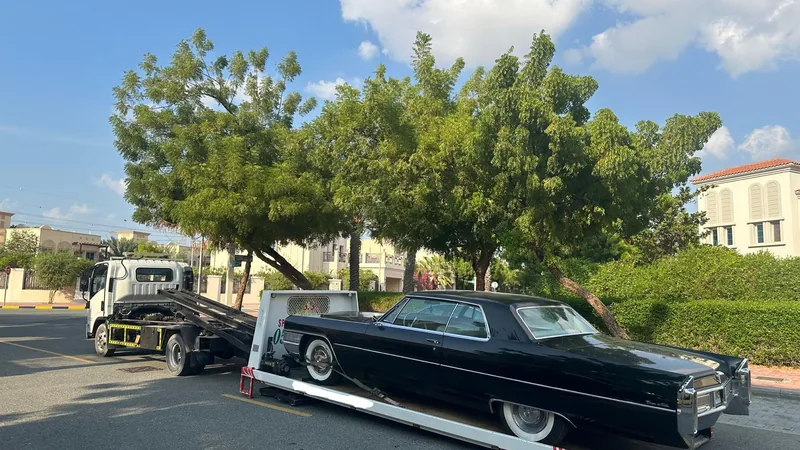
Professional recovery services have equipment designed for this. A proper recovery vehicle does not just pull. It can winch from a stable anchor point, or use a pneumatic bag to lift the vehicle and fill the void. The difference is that a trained operator assesses the situation first. They check the sand type, the vehicle angle, and the load on the chassis. They do not just hook up and yank.
What Happens During a Professional Recovery
When you call for help because your 4/4 pullout sand stuck situation has gone beyond your ability, the recovery team arrives with a plan. They will first inspect the vehicle. They check if the axles are buried, if the chassis is resting on the sand, and if any parts are damaged. Then they select the recovery point. This is critical. Attaching a tow rope to the wrong part of the frame can bend metal or tear off a bracket. The correct points are the chassis rails, the recovery points built into the bumper, or the axle housings if designed for it.
The winch cable is laid out carefully. A snatch block might be used to change the direction of the pull or to double the pulling power. The recovery vehicle positions itself on solid ground, often using its own weight and stabilizers. Then the pull begins, slowly and steadily. The goal is not to jerk the vehicle out, but to apply constant tension that lifts and moves it in one smooth motion. I have watched a well-executed recovery take less than ten minutes from the moment the cable is attached to the moment the vehicle is back on firm sand.
When the Situation Is More Complex
Not every stuck is a simple pullout. Sometimes the vehicle is on a slope, or the sand is wet and compacted. Sometimes the recovery vehicle cannot get close enough because of soft ground. In those cases, the team might use multiple winches or a combination of pulling and lifting. I recall a recovery where a heavy SUV had sunk to its chassis in a dry wadi bed. The team used a combination of a long winch line and a high-lift jack to raise the vehicle, place sand plates under the tires, and then winch it out over a distance of about twenty meters. It took patience and coordination, but the vehicle came out without a scratch.
The phrase "4/4 pullout sand stuck carrecoverydubai" applies here because the recovery service in Dubai sees this exact scenario regularly. The desert is vast and the sand can be deceptive. A track that looks firm can have a soft layer just below the surface. A vehicle that drives in fine can be stuck an hour later when the sun heats the sand and it becomes more fluid.
Prevention and Preparation
There are things you can do to reduce the chance of getting stuck. Lower your tire pressure before driving on soft sand. Twenty to fifteen psi is a common range for desert driving. Carry a shovel, a set of sand boards, and a proper tow strap. Know how to use them. Drive with steady momentum and avoid sharp turns that can dig a trench. If you feel the vehicle starting to lose traction, do not floor it. That only digs you in deeper. Back up if you can, and take a different line.

But even with preparation, sometimes the sand wins. That is not a failure of skill. It is the nature of the terrain. The important thing is to know when to stop trying and call for help. Continuing to spin the tires only worsens the situation and can damage the vehicle.
Choosing a Recovery Service
Not all recovery services are the same. Some are set up for light vehicles on paved roads. Others specialize in off-road recovery. The one you want for a 4/4 pullout sand stuck situation is one with experience in desert conditions. They should have vehicles that can operate on soft sand, winches with sufficient capacity, and operators who know how to assess the ground. I have seen services that send a standard tow truck to a sand recovery. That often ends with the tow truck getting stuck too.
Car Recovery Dubai is one of those services that understands the desert. They handle everything from cars and bikes to heavy vehicles. Their operators know the terrain around Dubai and the greater UAE. When they receive a call for a stuck 4x4, they bring the right equipment and the right approach. The process is straightforward: you call, they dispatch, they assess, they recover. It is not glamorous, but it is effective.
I have spoken with drivers after a recovery. Many of them say the same thing. They were nervous about the cost, nervous about damage, and nervous about being stranded. But after seeing the professional approach, they felt relieved. The recovery was quick, the vehicle was undamaged, and they were back on the road or back to their trip. That is the outcome you want.
Final Thoughts on Sand Recovery
Getting stuck in the sand is not something to be embarrassed about. It happens to experienced drivers and beginners alike. The key is to handle it safely and efficiently. That means not panicking, not making the situation worse, and calling a professional who knows how to do a 4/4 pullout sand stuck carrecoverydubai operation. The desert is beautiful, but it does not forgive mistakes. Having a reliable recovery contact is part of responsible desert driving.
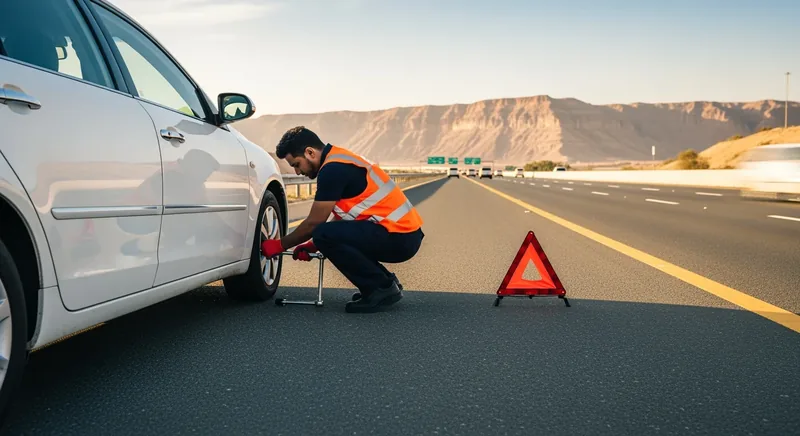
If you are planning a trip into the dunes, take the time to prepare your vehicle and your gear. Let someone know your route and your expected return time. Carry water, food, and shade. And save the number of a recovery service before you need it. That small step can turn a stressful situation into a minor delay.
The next time you see a 4x4 buried to its axles in the sand, remember that every recovery is a combination of skill, equipment, and experience. The phrase "4/4 pullout sand stuck carrecoverydubai" might be a search term, but behind it is a real process that gets people out of a real problem. That is what matters.